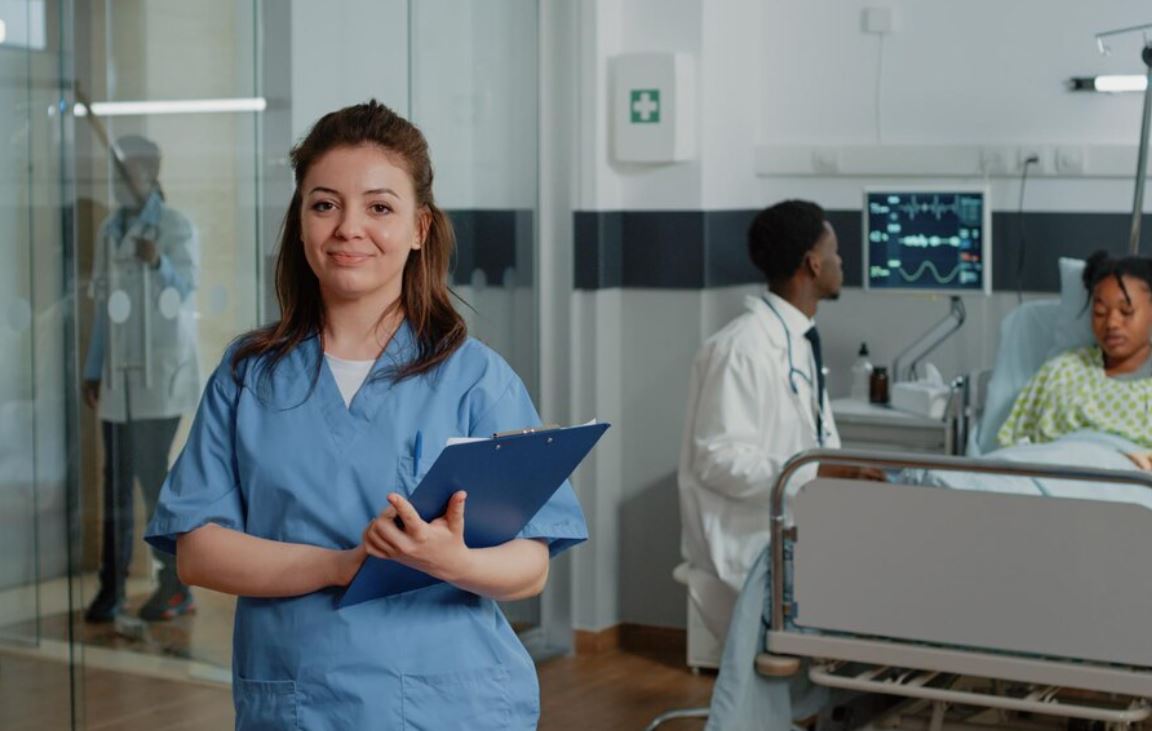
Per diem nursing is no longer a secondary option in healthcare. It has become a core workforce solution for hospitals, clinics, and long-term care facilities across the United States. As staffing shortages continue to rise, facilities depend on highly skilled nurses who can adapt quickly, perform efficiently, and deliver consistent patient outcomes.
According to the U.S. Bureau of Labor Statistics, there are over 3.1 million registered nurses in the United States, with demand expected to grow steadily through 2032. At the same time, the American Hospital Association reports that nearly 80% of hospitals experience staffing shortages, increasing reliance on per diem and flexible nursing professionals.
In this environment, per diem nurses must go beyond basic clinical skills. We must master a combination of clinical excellence, adaptability, communication, and decision-making to remain competitive and valuable in every healthcare setting.
1. Clinical Competency Across Multiple Specialties
Delivering Safe, High-Quality Care in Any Environment
Per diem nurses often work in different departments, including:
- Medical-surgical units
- Intensive care units (ICU)
- Emergency departments
- Long-term care facilities
- Outpatient clinics
We must demonstrate strong foundational clinical skills that apply across these settings. This includes:
- Patient assessment and monitoring
- Medication administration accuracy
- Infection control protocols
- Wound care management
- IV therapy and fluid management
A study published in The Joint Commission Journal on Quality and Patient Safety found that clinical competency directly impacts patient safety and reduces hospital-acquired complications by up to 30%.
Consistency in clinical performance builds trust with healthcare teams and increases shift opportunities.
2. Rapid Adaptability in New Clinical Environments
Performing Effectively Without Extended Orientation
Per diem nurses are expected to adapt quickly. Unlike full-time staff, we often receive minimal orientation before starting a shift.
Key adaptability skills include:
- Understanding new workflows within hours
- Navigating different facility policies
- Learning unit-specific protocols quickly
- Integrating into unfamiliar teams
According to workforce research, nurses who demonstrate high adaptability are 40% more likely to receive repeat shift requests from healthcare facilities.
Adaptability increases both income stability and professional reputation.
3. Strong Communication and Interpersonal Skills
Coordinating Care Across Multidisciplinary Teams
Effective communication is essential for patient safety. Per diem nurses must interact with:
- Physicians
- Nurse practitioners
- Registered nurses
- Licensed practical nurses
- Support staff
We must deliver clear, concise, and accurate information at all times.
The Agency for Healthcare Research and Quality (AHRQ) reports that communication failures contribute to nearly 70% of serious medical errors. Strong communication skills reduce risks and improve patient outcomes.
Key communication abilities include:
- Clear patient handoffs
- Accurate documentation
- Active listening
- Professional collaboration
Strong interpersonal relationships also improve team integration and job satisfaction.
4. Time Management and Prioritization Skills
Handling High Patient Loads Efficiently
Per diem nurses often work in high-demand environments where staffing ratios fluctuate. Effective time management ensures that all patients receive proper care.
We must:
- Prioritize critical patients first
- Manage multiple tasks simultaneously
- Reduce delays in medication administration
- Maintain accurate documentation under pressure
Studies show that improved time management reduces nurse stress levels and improves patient satisfaction scores.
Efficient workflow execution is a key performance indicator in healthcare settings.
5. Critical Thinking and Clinical Decision-Making
Responding to Changing Patient Conditions
Healthcare environments are unpredictable. Per diem nurses must make fast, accurate decisions based on patient data.
Critical thinking includes:
- Recognizing early signs of patient deterioration
- Interpreting vital signs and lab results
- Making informed clinical judgments
- Escalating care when necessary
Research published in Nursing Outlook indicates that strong critical thinking skills significantly reduce adverse patient events and improve recovery outcomes.
Quick decision-making saves lives and enhances professional credibility.
6. Emotional Intelligence and Patient-Centered Care
Building Trust with Patients and Families
Per diem nurses often meet patients for the first time during critical moments. Emotional intelligence allows us to:
- Understand patient concerns
- Provide compassionate care
- Build trust quickly
- Manage difficult emotional situations
According to the Cleveland Clinic, patient satisfaction scores increase significantly when nurses demonstrate empathy and emotional awareness.
Patient-centered care improves:
- Recovery outcomes
- Patient compliance
- Overall healthcare experience
Emotional intelligence is a competitive advantage in nursing.
7. Technological Proficiency in Modern Healthcare Systems
Mastering Electronic Health Records (EHR)
Healthcare facilities use different electronic systems. Per diem nurses must quickly adapt to:
- Electronic Health Records (EHR)
- Medication administration systems
- Patient monitoring technologies
The Office of the National Coordinator for Health Information Technology reports that over 96% of U.S. hospitals use certified EHR systems.
We must:
- Document accurately and efficiently
- Navigate digital systems without delays
- Maintain data security and confidentiality
Technology proficiency improves workflow efficiency and reduces documentation errors.
8. Flexibility in Scheduling and Work Preferences
Maximizing Opportunities Through Availability
Flexibility is one of the most valuable traits in per diem nursing. Nurses who accept diverse shifts are more likely to receive consistent work.
This includes:
- Night shifts
- Weekend coverage
- Holiday assignments
- Last-minute scheduling
Facilities prioritize nurses who can fill urgent gaps quickly. This flexibility increases earning potential and job stability.
9. Professionalism and Reliability
Building a Strong Reputation in Healthcare Facilities
Reliability is critical in per diem nursing. Facilities depend on nurses who:
- Arrive on time
- Follow protocols
- Maintain professional conduct
- Deliver consistent performance
According to healthcare staffing data, reliable per diem nurses are 60% more likely to receive long-term placement opportunities.
Professionalism builds trust and long-term partnerships with staffing agencies and healthcare providers.
10. Continuous Learning and Skill Development
Staying Competitive in a Growing Healthcare Market
Healthcare is constantly evolving. Per diem nurses must invest in continuous education to remain competitive.
Key areas of development include:
- Advanced certifications (ACLS, BLS, PALS)
- Specialty training (ICU, ER, pediatrics)
- Updated clinical guidelines
- Leadership and management skills
The American Association of Colleges of Nursing (AACN) emphasizes that ongoing education improves patient outcomes and career advancement opportunities.
Continuous learning leads to:
- Higher pay rates
- More job opportunities
- Greater career flexibility
11. Infection Control and Patient Safety Expertise
Reducing Hospital-Acquired Infections
Infection prevention is a critical skill. The Centers for Disease Control and Prevention (CDC) estimates that 1 in 31 hospital patients has at least one healthcare-associated infection (HAI) on any given day.
Per diem nurses must strictly follow:
- Hand hygiene protocols
- PPE usage
- Isolation procedures
- Sterile techniques
Strong infection control practices protect both patients and healthcare workers.
12. Cultural Competency in Diverse Patient Populations
Delivering Inclusive and Respectful Care
Healthcare environments serve diverse communities. Cultural competency ensures that we:
- Respect different beliefs and values
- Communicate effectively with diverse populations
- Provide equitable care
Studies show that culturally competent care improves patient trust and reduces health disparities.
This skill is especially important in metropolitan areas with diverse populations.
13. Physical and Mental Resilience
Sustaining Performance in High-Stress Environments
Nursing is physically and emotionally demanding. Per diem nurses must maintain resilience to perform consistently.
This includes:
- Managing long shifts
- Handling high-pressure situations
- Maintaining focus under stress
- Preventing burnout
According to the American Nurses Foundation, over 60% of nurses report experiencing burnout symptoms. Resilience strategies improve long-term career sustainability.
14. Accountability and Ethical Practice
Maintaining High Standards of Care
Per diem nurses must uphold ethical standards in every assignment. This includes:
- Patient confidentiality
- Accurate documentation
- Adherence to legal regulations
- Professional integrity
Ethical practice protects both patients and healthcare professionals.
15. Team Collaboration and Leadership Skills
Contributing to Effective Healthcare Teams
Even in short-term assignments, per diem nurses play a key role in team dynamics.
We must:
- Support colleagues
- Share knowledge
- Lead when necessary
- Maintain positive work relationships
Strong teamwork improves patient outcomes and workplace efficiency.
Conclusion: Mastering the Skills That Define Per Diem Nursing Success
Per diem nursing demands more than flexibility. It requires a high level of skill, adaptability, and professionalism. The most successful nurses combine:
- Clinical excellence
- Strong communication
- Rapid adaptability
- Critical thinking
- Emotional intelligence
- Continuous learning
As healthcare demand continues to grow, facilities will prioritize nurses who deliver consistent, high-quality care across multiple environments.
We recognize that mastering these skills is not optional. It is essential for:
- Increasing earning potential
- Securing consistent work opportunities
- Advancing long-term career growth
- Maintaining work-life balance
Per diem nursing is a powerful career path for professionals who are prepared to meet modern healthcare challenges with confidence, competence, and commitment.
Dino Health is dedicated to connecting healthcare professionals with top-tier job opportunities while ensuring healthcare facilities find the best talent. We are committed to enhancing the healthcare industry by prioritizing work-life balance, career growth, and professional well-being. Through expert insights, industry news, and career resources, we empower nurses, doctors, and allied health professionals to thrive in their careers. Connect with Us on Facebook