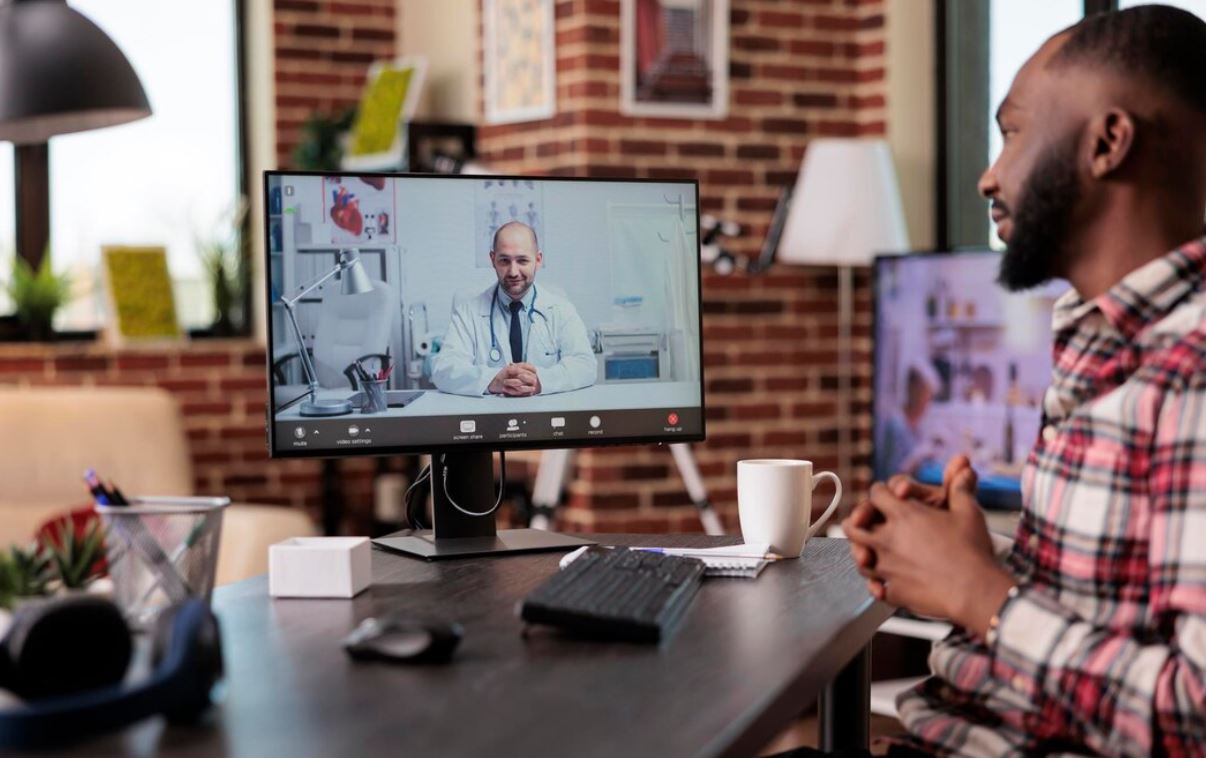
The era of remote healthcare has brought about a massive shift in how nursing services are delivered. In Oregon and across the United States, telehealth nursing is evolving from a niche offering into a mainstream career path. The global telehealth market is expected to exceed $200 billion by the end of 2025, underscoring the scale of the opportunity. PracticeMatch+1
The U.S. Bureau of Labor Statistics (BLS) projects that job openings for registered nurses (RNs), a large proportion of which will include remote and telehealth roles, will increase by approximately 6% through 2034. Coursera+1
For Oregon-based clinicians and staffing agencies like ours at Dino Health Staffing in Portland, this growth translates into new pathways, remote-friendly work options, and changing skill demands. We explore what this future looks like, what it means for nurses and healthcare facilities in Oregon, and how both can prepare to take full advantage of this shift.
Why Telehealth Nursing is Accelerating in Oregon
Demographic and Geographical Drivers
Oregon faces unique challenges: aging populations, rural access gaps, and increasing demand for chronic-disease management. Telehealth nursing helps bridge these gaps. According to national data, nearly 49% of emergency nurses reported telehealth use in their work setting prior to the pandemic, compared to 33% of other inpatient nurses. PMC
With rural Oregon communities often underserved and access to onsite specialty clinicians limited, telehealth roles provide flexibility and efficiency, enabling experienced RNs to support care remotely while physically located elsewhere.
Market Growth and Technology Adoption
Remote care isn’t simply a temporary pandemic response—it’s becoming a permanent element of healthcare delivery. The telehealth sector’s estimated growth to over $200 billion by 2025 confirms that infrastructure investments are ongoing. PracticeMatch+1
For telehealth nursing roles, this means more opportunities: from triage and chronic-care monitoring to remote patient education and care coordination. The demand spans hospitals, outpatient clinics, insurance providers, and virtual-care platforms.
Remote Work Appeal for Nurses
Many nurses in Oregon are drawn to remote roles for flexibility. According to one guide, telehealth nurses in the U.S. can expect annual salaries ranging between $70,000 and $100,000, depending on role and experience. Telehealth Nurse Network+1
This salary range is often comparable with or better than traditional bedside roles when factoring in reduced commuting, more predictable shifts, and fewer night/weekend differentials. For Oregon-based clinicians, especially those in the Portland metro or rural areas, telehealth offers a competitive and lifestyle-friendly alternative.
Telehealth Nursing Roles and Opportunities in Oregon
1. Virtual Triage and Telephonic Nursing
In these roles, nurses assess incoming calls or video visits, determine patient needs, guide next steps, and escalate when necessary. Facilities in Oregon are increasingly outsourcing or partnering with telehealth platforms to manage after-hours or overflow care.
Because triage removes the physical-bed constraint, experienced RNs in Oregon can apply their judgment and communication skills remotely, sometimes across state lines (subject to licensure).
2. Remote Chronic Disease Management and Care Coordination
Oregon has high rates of chronic conditions like diabetes, COPD, and heart disease. Telehealth nurses play key roles in monitoring patient data remotely, educating patients, and coordinating care with primary-care and specialty teams.
These positions demand strong clinical judgment, excellent telecommunication skills (sometimes called “web-side manner”), and familiarity with remote monitoring tools.
Given the shortage of in-person specialists in rural Oregon, telehealth nursing fills an essential care gap.
3. Case Management and Utilization Review
Telehealth nursing also extends into roles such as remote case managers and utilization-review nurses. These roles focus on reviewing patient care plans, coordinating between providers, assessing care efficiency, and supporting transitions from hospital to home care.
Because these jobs are frequently location-independent, Oregon-based nurses with relevant experience can access remote roles in a national marketplace.
4. Telepsychiatry and Behavioral Health Nursing
Virtual behavioral healthcare is growing rapidly as Oregon and the U.S. respond to mental-health access challenges. Telehealth nurses supporting behavioral health platforms assist in scheduling, triage, follow-up, medication adherence and patient engagement.
As the mental-health workforce faces shortages, telehealth expands reach—and nurses are integral to that team.
What Skills Nurses Must Develop to Be Successful in Telehealth
Strong Communication & Virtual Presence
Telehealth nursing requires more than clinical skills. Nurses must build rapport without physical proximity, interpret non-verbal cues over video, and remain attentive to technology issues (audio/video lag, poor lighting, patient unfamiliarity).
Since one study found telehealth use among inpatient nurses only 15% (pre-pandemic) versus 36% for emergency nurses, training in virtual care is still emerging. PMC
At Dino Health Staffing, we encourage nurses to undergo virtual-care communication workshops and simulation training to improve efficacy and patient satisfaction.
Technical Literacy and Remote Monitoring Tools
Telehealth nurses often use platforms for video-consultations, remote patient monitoring (RPM) devices, secure messaging systems, and EHRs integrated with telehealth modules.
In Oregon, where broadband access in rural zones varies, nurses must be comfortable troubleshooting minor tech issues and guiding patients to do the same.
Adaptability and Autonomy
Remote nursing demands independence. Telehealth nurses often make decisions without teammates physically nearby and must be comfortable coordinating care, escalating when needed, and documenting accurately.
Given workforce shortages in Oregon, roles may include hybrid responsibilities—sometimes on-site, sometimes remote—so adaptability is key.
Licensing, Regulatory Knowledge & Telehealth Etiquette
Oregon nurses considering telehealth roles — especially those with multi-state scope — must understand licensing (OR Compact Nurse Licensure, or non-compact considerations), privacy/HIPAA compliance, and telehealth documentation norms.
Telehealth etiquette—akin to bedside manner—matters. According to AllNursingSchools, empathy, proper lighting, sound quality and verifying patient identity are essential. All Nursing Schools
State of the Job Market and Salary Outlook for Oregon Nurses in Telehealth
National Salary Benchmarks
Nationally, telehealth nurses earn between $70,000 and $100,000 annually, with variation based on experience, role and employer. Telehealth Nurse Network+1 The median salary for RNs in the U.S. overall is approximately $93,600 in 2023, with telehealth roles often meeting or exceeding this average. All Nursing Schools
Oregon Market Considerations
Oregon is among the top-paying states for registered nurses. According to AllNursingSchools, top-paying states include Oregon. All Nursing Schools
With the cost of living in Portland and surrounding metro areas, telehealth roles offering remote flexibility are especially attractive.
Facilities and staffing agencies in Oregon are increasingly offering remote-first or hybrid roles, meaning local nurses can access national salary rates while working from home or a hybrid schedule.
Projected Growth in Telehealth Nursing Opportunities
While specific state-level data for telehealth nursing in Oregon is sparse, industry analysis indicates that telehealth nursing positions are set to grow significantly as care models shift. The rapid adoption of telehealth means remote nursing roles will continue to expand. jobsolv.com+1
Therefore, Oregon nurses and staffing agencies both stand to benefit from this wave—nurses by accessing new job types, and staffing agencies by placing talent into remote-capable roles.
Challenges and Considerations for Oregon Telehealth Nurses
Licensure and State Regulations
Even for remote roles, credentialing matters. Oregon’s participation in the Nurse Licensure Compact (NLC) affects cross-state practice. Nurses must verify whether the telehealth employer requires multi-state licenses.
Regulatory changes may affect reimbursement models and telehealth nursing scope of practice, so staying current is critical.
Technology and Access Discrepancies
In rural Oregon, broadband access and patient technology literacy can be inconsistent. Telehealth nurses may encounter connectivity issues, delayed responses, or patient unfamiliarity with virtual platforms.
Facilities and staffing agencies must invest in training for both nurses and patients to ensure quality care.
Maintaining Clinical Competency and Career Mobility
Some telehealth roles may reduce hands-on patient contact. Nurses must maintain clinical skills to keep options open, especially if they later wish to return to bedside or hybrid roles.
Continuous education, certification in telehealth interventions and remote-care technologies are key to long-term career mobility.
Work-Life Balance and Boundaries
While remote work offers flexibility, it also blurs personal and professional boundaries. Oregon telehealth nurses must set clear schedules, workspace boundaries, and manage patient expectations regarding response times and availability.
How Oregon Facilities and Staffing Agencies Should Prepare
Building a Telehealth-Capable Workforce
Facilities in Oregon should partner with telehealth-savvy staffing agencies to source nurses skilled in virtual care. Agencies can screen for strong communication skills, tech comfort and remote experience—attributes beyond traditional bedside competence.
Agencies like Dino Health Staffing in Portland can support this shift by offering training modules, virtual-care simulations, and ongoing support for nurses transitioning into telehealth roles.
Creating Remote-First or Hybrid Roles
Facilities can expand their staffing models by offering roles that blend remote telehealth shifts with occasional on-site work. This attracts a wider pool of talent—Oregon-based nurses, national telehealth practitioners, and out-of-state talent (within licensure constraints).
Hybrid models also help retain experienced nurses by offering flexibility without fully disconnecting them from the clinical environment.
Investing in Technology and Training
To support telehealth nursing effectively, Oregon facilities must invest in HIPAA-compliant platforms, remote-monitoring tools, robust patient-virtual-care workflows, and nurse training in telehealth etiquette.
Staffing agencies can assist by arranging contract models that include telehealth-ready talent and by coordinating credentialing/licensing for remote placements.
Marketing Telehealth Roles to Oregon Nurses
Agencies should highlight remote-friendly roles, pay ranges consistent with national benchmarks, work-life balance benefits, and flexibility in shift scheduling. Oregon clinicians value roles that reduce commute time, allow for rural living, or enable semi-remote work from home.
Key Takeaway: Telehealth Nursing in Oregon is a Strategic Opportunity
For nurses in Oregon seeking career growth, flexibility and remote options, telehealth nursing presents an increasingly viable and rewarding path. For staffing agencies and healthcare facilities, integrating telehealth-capable nurses into workforce plans offers access to a broader talent pool, improved retention, and operational resilience.
With salaries ranging nationally from $70,000 to $100,000+, and with Oregon among the higher-paying states for RNs, remote nursing roles are both financially and professionally attractive.
The key lies in preparation—nurses must build tech skills, virtual care communication, state-licensure savvy, and stay current with remote-care competencies. Facilities and agencies must build remote-friendly models, invest in infrastructure and tap into the telehealth growth wave.
Dino Health is dedicated to connecting healthcare professionals with top-tier job opportunities while ensuring healthcare facilities find the best talent. We are committed to enhancing the healthcare industry by prioritizing work-life balance, career growth, and professional well-being. Through expert insights, industry news, and career resources, we empower nurses, doctors, and allied health professionals to thrive in their careers. Connect with Us on LinkedIn